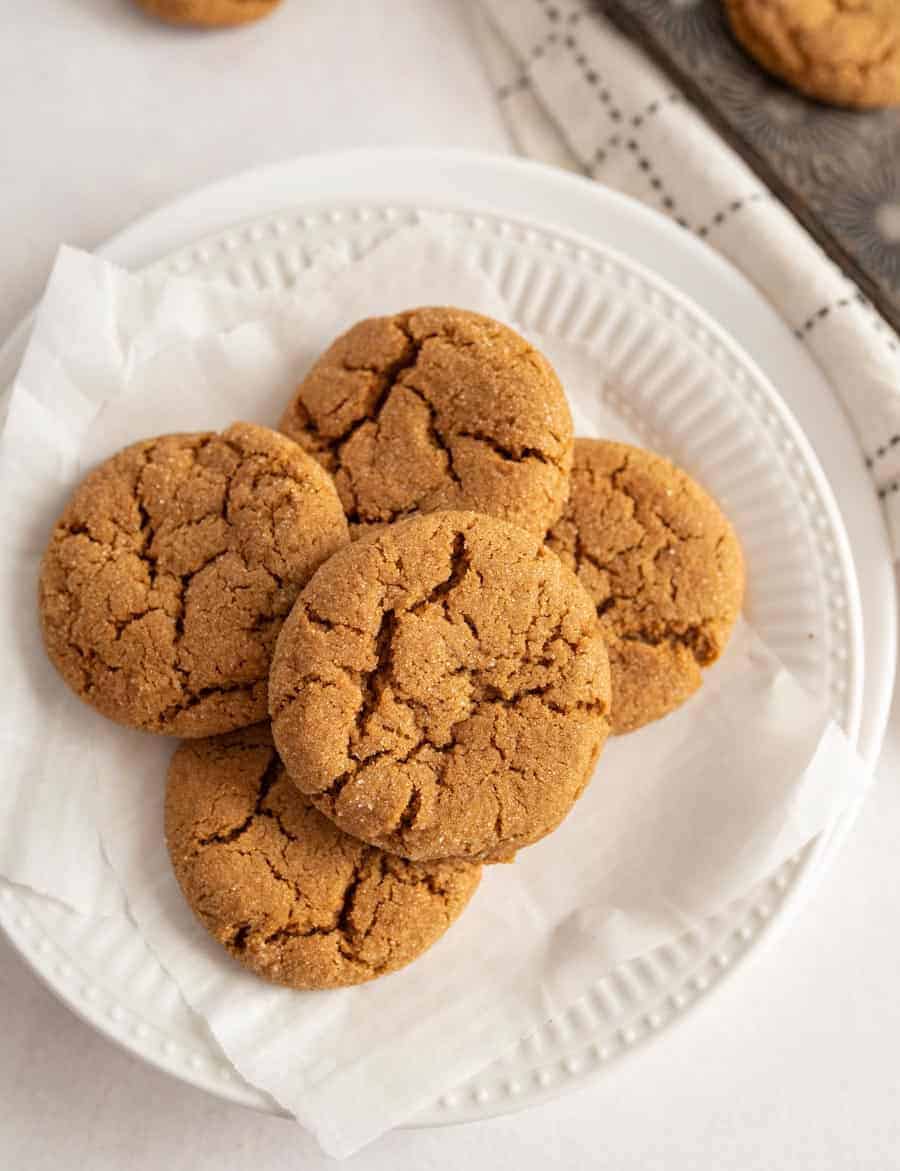
There are few treats that capture the essence of warmth and comfort quite like a perfectly baked batch of soft and chewy molasses cookies. With their enticing aroma of warm spices and their rich, deep flavor, these cookies are a cherished classic, especially as the colder months approach. Far from just a holiday staple, the humble molasses cookie offers a delightful escape into a world of cozy indulgence, making it the perfect companion for a hot cup of coffee, a comforting tea, or simply a moment of quiet reflection.
What sets an exceptional molasses cookie apart is its signature texture: a delicate crackle on top, giving way to a wonderfully chewy edge and a tender, melt-in-your-mouth center. It's a texture that many home bakers rave about, describing them as "beautifully cooked, nice and soft but not too soft." This article will guide you through the secrets to achieving this coveted balance, exploring the roles of key ingredients and techniques that transform simple pantry staples into a masterpiece of flavor and texture.
The Science Behind the Soft & Chewy Molasses Cookie: Unlocking Perfect Texture
Creating molasses cookies with that ideal soft and chewy characteristic isn't just about mixing ingredients; it's about understanding how each component interacts. The secret lies in a carefully calibrated blend that leverages the unique properties of common baking items. Here’s a breakdown of the foundational ingredients and their pivotal roles in achieving that irresistible texture:
Molasses: The Heart of the Chew
As the star ingredient, molasses is absolutely critical for both flavor and texture. Its unique property is that it's hygroscopic, meaning it attracts and retains moisture. This inherent characteristic pulls water into the cookie dough and holds onto it during baking, resulting in an incredibly soft and pliable crumb. For the best results, always opt for unsulphured dark molasses. It provides a rich, deep flavor without being overpowering or bitter. Crucially, avoid blackstrap molasses; its intense bitterness and saltiness will overwhelm the delicate balance of your cookies, leading to a less than delightful experience. While dark molasses is preferred, if you're looking to experiment, alternatives like pomegranate molasses, sorghum syrup, dark corn syrup, or cane syrup can be used, though they will subtly alter the flavor profile. Honey is also an option, but due to its higher sweetness and lower caramelization point, you'll need to reduce the quantity and monitor baking closely to prevent over-browning.
Brown Sugar: Adding Depth and Moisture
While granulated sugar might make for a crispier cookie, brown sugar is indispensable for achieving chewiness in soft molasses cookies. The reason is simple: brown sugar inherently contains molasses! This extra touch of molasses further contributes to the dough's moisture content, ensuring a tender, bendable texture. You can use either light or dark brown sugar, depending on your preference for a more subtle or pronounced caramel note.
Butter: For Richness and Structure
Unsalted butter is generally recommended for baking because it gives you precise control over the overall salt level in your recipe. If salted butter is all you have on hand, simply reduce any additional salt called for in the recipe by about ¼ teaspoon to maintain balance. Butter contributes significantly to the cookie's rich flavor and helps create a tender crumb, allowing the cookies to spread beautifully in the oven.
Eggs: The Puffiness and Binding Agent
Using a whole egg in your molasses cookie recipe does more than just bind ingredients; it directly influences the cookie's puffiness and softness. The proteins in the egg coagulate during baking, providing structure and helping the cookies rise and set into a delightful shape. For those who prefer a slightly less puffy cookie with perhaps an even denser chew, an interesting tip is to swap the whole egg for two egg yolks. This small adjustment can yield a subtle yet noticeable difference in texture.
Baking Soda: The Crinkly Top Architect
Baking soda serves as the primary leavening agent in these cookies, helping them rise and spread. It's an alkaline ingredient that requires an acidic counterpart to activate and create carbon dioxide gas. In chewy molasses cookies, the molasses and brown sugar provide this necessary acidity. This reaction isn't just for lift; it’s also responsible for that signature, beautiful crackly top that is a hallmark of a perfectly baked molasses cookie.
For a deeper dive into how specific components contribute to the ultimate treat, explore our article on Bake Chewy Molasses Cookies: Ingredient Secrets for Softness.
Crafting Your Molasses Cookie Masterpiece: Key Techniques for Success
Beyond the ingredients, the techniques you employ play a vital role in perfecting your molasses cookies. From mixing to chilling, each step contributes to the ultimate soft and chewy texture and rich flavor.
The Art of Dough Chilling: A Pathway to Chewiness
One of the most debated aspects of molasses cookie recipes is whether to chill the dough. While many recipes allow you to bake the dough immediately straight from the mixing bowl, choosing to chill can elevate your cookies to a whole new level of chewiness and flavor depth. Chilling the dough for at least 1 hour, and up to 48 hours, allows the ingredients to fully hydrate and the flavors to meld. The butter also firms up, which prevents the cookies from spreading too quickly in the oven, leading to a thicker, chewier cookie with a more concentrated flavor profile. If you're short on time, immediate baking will still yield delicious results, but for the absolute chewiest cookie, don't skip the chill.
Mixing and Shaping for Uniformity
Ensure your butter and sugar are properly creamed until light and fluffy; this incorporates air, which contributes to the cookies' texture. Once dry ingredients are added, mix just until combined to avoid overdeveloping the gluten, which can lead to tough cookies. When scooping, use a cookie scoop for uniform size. This ensures all cookies bake evenly, preventing some from being overdone while others are still underbaked. A consistent size also makes for a more appealing presentation.
Baking to Perfection: Watch for the Cues
Molasses cookies bake relatively quickly. Keep a close eye on them. You want them to be set around the edges but still appear slightly soft and puffy in the center. They will continue to set as they cool on the baking sheet. Overbaking is the enemy of a soft and chewy texture, turning your delightful treats dry and crumbly. Remove them from the oven promptly and let them cool on the baking sheet for a few minutes before transferring them to a wire rack to cool completely.
Flavor Profile: A Symphony of Spices and Deep Molasses
The allure of a great molasses cookie extends far beyond its texture; it's the captivating interplay of deep molasses with a chorus of warm, aromatic spices that truly makes it unforgettable. This harmonious blend creates a flavor that is both comforting and complex, distinguishing it from other spiced treats.
The Essential Spice Blend
A classic molasses cookie typically features a triumvirate of ground cinnamon, ground ginger, and ground cloves. Each spice plays a crucial role:
- Cinnamon: Provides a sweet, woody warmth that is instantly recognizable and comforting.
- Ginger: Offers a bright, slightly peppery kick that invigorates the palate.
- Cloves: Contributes a deep, pungent sweetness and a touch of earthiness, rounding out the spice profile.
Together, these spices create a foundation of warm, deep flavor that is quintessentially "molasses cookie." The ratios are carefully balanced to achieve a robust yet harmonious taste that doesn't overwhelm the rich molasses base.
Molasses Cookies vs. Gingersnaps: A Flavor Nuance
While molasses cookies are often compared to gingersnaps due to their shared spice profile, there are key differences that set them apart, particularly in their flavor balance and texture. A well-crafted molasses cookie recipe will typically use a higher proportion of molasses and a slightly different spice ratio, resulting in a more balanced flavor that is less ginger-forward. The increased molasses not only deepens the flavor profile, making it more complex and nuanced, but also enhances the chewiness, as discussed earlier. Gingersnaps, on the other hand, tend to emphasize the spicy kick of ginger and often bake up with a crisper texture.
For those who cherish classic tastes, understanding the nuances of these flavors is key. Delve further into this heritage with our feature on Old-Fashioned Molasses Cookies: Perfectly Spiced, Deep Flavor.
Tips for Molasses Cookie Mastery: From Pantry to Plate
Making delicious molasses cookies is incredibly satisfying, and with a few additional insights, you can elevate your baking experience and ensure every batch is a resounding success.
Embrace Pantry Staples
One of the joys of baking molasses cookies is that they rely on ingredients you likely already have in your kitchen. Flour, sugar, butter, eggs, molasses, and common spices are all that's required. This makes them an accessible treat to whip up whenever a craving strikes, or you need a last-minute dessert.
Storage and Freshness
To keep your soft and chewy molasses cookies at their best, store them in an airtight container at room temperature. They typically stay fresh for 3-5 days. If you want to extend their freshness, you can also freeze the baked cookies for up to 3 months. Simply thaw them at room temperature when you're ready to enjoy, and they'll be as good as freshly baked.
Gifting and Sharing
Molasses cookies make fantastic edible gifts. Their robust flavor and comforting texture are universally loved, making them perfect for holiday trays, hostess gifts, or a thoughtful gesture for a friend. Package them in decorative tins or bags, perhaps tied with a festive ribbon, for a truly charming presentation.
Serving Suggestions
While undeniably delicious on their own, molasses cookies truly shine when paired with certain beverages. A hot cup of coffee or a steaming mug of tea complements their rich, spicy notes beautifully. For a touch of nostalgic comfort, serve them alongside a tall glass of cold milk – a combination that never fails to please.
Ingredient Sourcing and Alternatives Revisited
Always use unsulphured dark molasses for the best flavor. While we discussed alternatives like pomegranate molasses or sorghum syrup, remember these will impart their own distinct flavor profiles. Honey can work, but reduce the amount and watch for quicker caramelization. Sticking to the recommended unsulphured dark molasses from cane sugar is generally the safest bet for the classic taste you're aiming for.
Conclusion: Your Journey to Perfect Molasses Cookies
Crafting a batch of soft and chewy molasses cookies is a rewarding experience that tantalizes the senses, from the aromatic spices filling your kitchen to the satisfying bite of a perfectly textured cookie. By understanding the science behind each ingredient and mastering a few simple techniques like optional dough chilling, you can consistently achieve that irresistible crackly top, chewy edge, and tender center that makes these cookies so beloved. They're more than just a treat; they're a comforting hug in cookie form, ready to be enjoyed during quiet moments, shared with loved ones, or gifted to spread a little joy. So gather your pantry staples, embrace the warmth of the spices, and embark on your journey to baking the most delightful molasses cookies you've ever tasted – a recipe destined to become a regular in your rotation.
