Bake Chewy Molasses Cookies: Ingredient Secrets for Softness
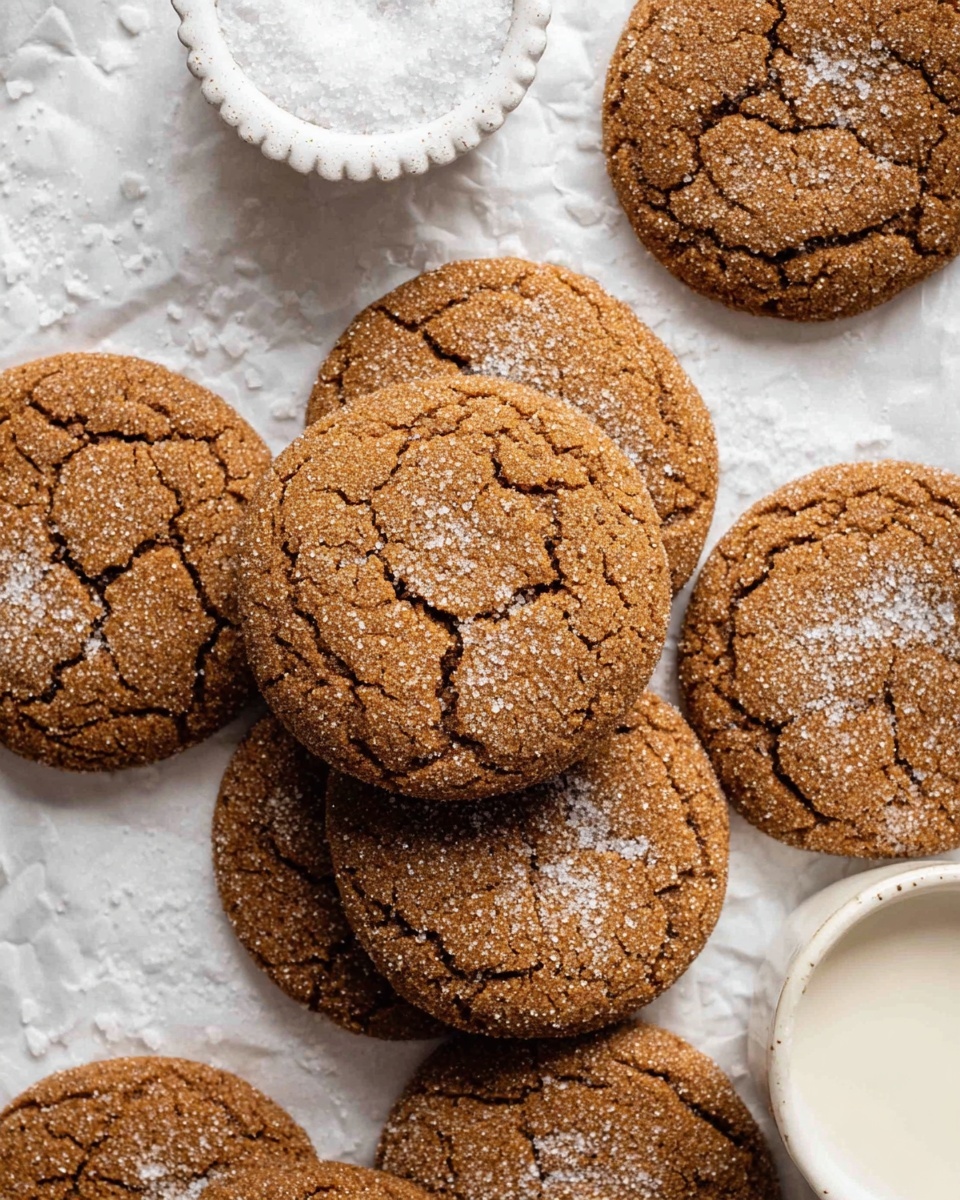
There’s a certain magic that fills the air when the aroma of freshly baked molasses cookies wafts through the kitchen. Synonymous with cozy winter evenings and holiday cheer, these delightful treats hold a special place in the hearts of many. But what truly sets a good molasses cookie apart from a great one? It's that irresistible combination of a crackly top, a perfectly chewy edge, and a wonderfully tender, soft center. Achieving this textural nirvana isn't just about following a recipe; it's about understanding the role each ingredient plays in crafting that signature softness. In this comprehensive guide, we'll unlock the ingredient secrets and essential techniques that will elevate your
soft and chewy molasses cookies from good to absolutely unforgettable.
The Magic of Molasses Cookies: A Timeless Treat
Molasses cookies are a testament to the power of simple, pantry-staple ingredients coming together to create something truly extraordinary. More than just a dessert, they are a comforting experience, perfectly paired with a hot cup of coffee or tea, especially during the colder months. Home cooks consistently rave about their comforting, spicy warmth and unique texture. As one reviewer aptly put it, "These cook up beautifully and turn out nice and soft but not too soft," striking that perfect balance that defines a superior cookie.
What makes these cookies so beloved is their profound depth of flavor, born from a generous helping of rich molasses and a symphony of warm spices. While often compared to gingersnaps, classic molasses cookies typically boast a greater proportion of molasses, resulting in a distinctly chewier texture and a more complex flavor profile that leans less heavily on ginger, creating a harmonious blend. Whether you're making an
old-fashioned molasses cookie with perfectly spiced deep flavor for a festive gathering or a simple batch for an everyday treat, mastering the texture is key, and it all begins with your choice of ingredients.
Unlocking Ultimate Softness: Key Ingredient Secrets
Every component in a molasses cookie recipe contributes to its final texture and flavor. Understanding these roles is your secret weapon for baking success.
- Molasses: The Hygroscopic Hero
This sticky, dark syrup is the namesake and undisputed star of the show when it comes to chewiness and softness. Molasses is a hygroscopic ingredient, meaning it has a remarkable ability to attract and retain moisture. It literally draws water into its molecules and holds onto it, preventing your cookies from drying out and ensuring that desired soft, pliable texture. For the best results, always opt for unsulphured dark molasses. Avoid blackstrap molasses, which is significantly more bitter and salty and will negatively impact the taste of your cookies. When measuring this viscous ingredient, lightly grease your measuring spoon or cup with a neutral oil or cooking spray to ensure every drop slides out easily.
- Brown Sugar: Molasses's Sweet Sidekick
Just like its namesake, brown sugar plays a crucial role in delivering a chewy cookie texture. This is because brown sugar itself contains molasses! The presence of this natural humectant in brown sugar amplifies the moisture-retaining properties of the primary molasses, double-downing on softness. Using granulated sugar instead would strip the cookies of this crucial moisture, pushing them towards a crispier, crunchier outcome. Both light and dark brown sugar work wonderfully, with dark brown sugar lending a slightly richer, deeper caramel note to the cookies.
- Butter: The Foundation of Flavor and Texture
Butter contributes to both the flavor and the tender structure of your molasses cookies. Using unsalted butter is generally recommended, as it allows you to control the exact amount of salt in your recipe. If you only have salted butter on hand, simply reduce the added salt in the recipe by about ¼ teaspoon. Ensure your butter is softened to room temperature before creaming it with the sugar; this creates tiny air pockets that contribute to a lighter, more tender crumb.
- Egg: For Puffy Perfection and Structure
A whole egg in your cookie dough serves multiple purposes. The proteins in the egg coagulate during baking, helping the cookies puff up and set, contributing to their overall soft yet structured texture. The egg also acts as a binder, holding all the ingredients together. If you prefer a slightly less puffy cookie with a denser chew, a clever trick is to swap the whole egg for two egg yolks. Egg yolks contain more fat and less water than egg whites, resulting in a richer, slightly flatter cookie with a more concentrated chew.
- Baking Soda: The Cracking and Rising Agent
Baking soda is a crucial leavening agent that gives molasses cookies their characteristic rise and spread, as well as their delightful crackly tops. As an alkaline ingredient, baking soda requires an acid to activate. Conveniently, both molasses and brown sugar are acidic enough to react with baking soda, producing carbon dioxide gas. These gas bubbles expand in the oven, causing the cookies to puff up and spread, creating those beautiful surface cracks that are a hallmark of a classic molasses cookie. Always make sure your baking soda is fresh for optimal leavening power.
- Spices: The Warmth of Tradition
While not directly influencing texture, the blend of spices is paramount to the distinctive flavor of molasses cookies. A classic combination of ground cinnamon, ground ginger, and ground cloves creates a warm, deep, and inviting aroma and taste. Some recipes might include a touch of nutmeg or allspice for added complexity. Pay attention to the ratios; a well-balanced spice blend ensures a harmonious flavor that complements the richness of the molasses without any single spice overpowering the others. For the most vibrant flavor, consider using freshly ground spices.
Beyond Ingredients: Techniques for Textural Perfection
While ingredients lay the groundwork, specific techniques can truly perfect your molasses cookies.
- Dough Chilling: The Secret to Supreme Chewiness
The debate between baking immediately or chilling the dough is a common one. While many recipes allow for immediate baking, chilling your dough for at least 1 hour, and up to 48 hours, is a game-changer for chewiness. Chilling allows the butter to re-solidify, which makes for a less spread-out, thicker cookie. More importantly, it gives the flour time to fully hydrate, resulting in a more tender crumb, and allows the flavors to meld and deepen, creating a richer, more complex taste.
- Precise Baking Time: Don't Overbake!
Overbaking is the arch-nemesis of soft cookies. Molasses cookies are best when baked until the edges are just set, but the centers still look slightly soft and puffy. They will continue to set as they cool on the baking sheet. A good rule of thumb is to remove them from the oven when they appear slightly underdone, as they will firm up to that perfect soft-chewy consistency.
- Uniform Scooping and Rolling: The Crackle Effect
Use a cookie scoop to ensure all your cookies are roughly the same size. This guarantees even baking across the batch. After scooping, roll the dough balls in granulated sugar before placing them on the baking sheet. This sugar coating not only adds a delightful textural contrast but also contributes to that iconic crackly top as the cookies spread.
Troubleshooting Common Molasses Cookie Woes
Even with the best intentions, baking can sometimes throw a curveball. Here are some common issues and how to tackle them:
- Cookies are too flat or spread too much: This can be due to overly warm butter, insufficient chilling time, or your baking soda being old and inactive. Ensure your butter is softened but not melted, chill your dough, and always check the expiration date on your leavening agents.
- Cookies are too hard or crispy: The most frequent culprit here is overbaking. Keep a close eye on your cookies and pull them from the oven when they still look slightly underdone. Also, ensure you’re using enough molasses and brown sugar for that moisture boost.
- Flavor isn't quite right: Old or stale spices lose their potency. Invest in fresh spices for the best flavor. Double-check that you're using unsulphured dark molasses, as blackstrap will lend a harsh, bitter note.
Mastering the art of baking truly chewy and soft molasses cookies is an incredibly rewarding journey. By understanding the unique role of each ingredient—from the hygroscopic magic of molasses and brown sugar to the structural support of eggs and baking soda—you gain the power to consistently produce cookies that are nothing short of perfection. Embrace these ingredient secrets and techniques, and prepare to delight your taste buds with every warm, spicy, and irresistibly soft bite. Happy baking!